
obscure glass windows for bathrooms
Understanding Standard Bore Gauges Essential Tools in Precision Engineering In the realm of precision engineering, standard bore gauges play a crucial role in ensuring that components meet specific dimensional and quality standards. These instruments are designed to measure the internal diameters of holes, ensuring that they fall within predetermined tolerances. Precision in manufacturing is vital, not only for the performance of the final product but also for the safety and reliability of the machinery in which these components will be used. What is a Standard Bore Gauge? A standard bore gauge is a measuring tool specifically utilized to check the inner diameter of cylindrical objects. Unlike calipers that measure external dimensions, bore gauges allow engineers and machinists to assess the internal profiles of holes, pipes, and various components. They are particularly useful in situations where conventional measuring tools cannot reach or provide accurate readings. Bore gauges generally consist of a body that houses a measuring probe, which expands to fit the internal diameter of the bore being measured. The probe typically has a spring-loaded or a mechanical design that allows for fine adjustments and ensures that the measurement is precise. Once the probe is inserted into the bore, it expands to touch the inner walls, and the measurement can be read on a dial or digital display. Types of Bore Gauges There are several types of bore gauges available, each suited for different applications 1. Dial Bore Gauges These gauges feature a dial indicator that provides a direct reading of the bore's diameter. They are highly accurate and are commonly used in machine shops and assembly lines. 2. Electronic Bore Gauges These modern tools utilize electronic sensors to measure the internal diameter. They often come with digital displays, which can provide more precise readings than their mechanical counterparts. 3. Tapered Bore Gauges These are designed for measuring tapered or conical bores. They include features that allow adjustment to different angles, making them versatile for unique applications. 4. Go/No-Go Gauges These gauges are used to determine whether a bore is within acceptable limits. They feature two ends—one that should fit into the bore (the Go end) and one that should not (the No-Go end). If the Go end fits and the No-Go end does not, the bore is within the required tolerance. standard bore gauge Applications in Various Industries Standard bore gauges are indispensable in several industries, including automotive, aerospace, and manufacturing. In the automotive sector, for example, engine components such as cylinders and shafts require precise internal dimensions to ensure proper fit and function. A slight deviation can lead to poor performance, inefficiency, or even catastrophic failure. In the aerospace industry, where safety is paramount, bore gauges help maintain the high standards necessary for components that endure extreme conditions and pressures. They are used to inspect the internal dimensions of engine parts, hydraulic systems, and many other critical components. Best Practices for Using Bore Gauges To achieve the best results with bore gauges, users should adhere to specific best practices 1. Calibration Regularly calibrate the gauge to ensure accurate readings. A miscalibrated tool can lead to erroneous measurements and compromised quality. 2. Use Proper Technique When measuring, it is essential to apply consistent pressure and avoid forcing the gauge into the bore. This helps prevent damage to both the gauge and the component being measured. 3. Temperature Considerations Measurements can be affected by temperature. It’s essential to account for thermal expansion or contraction in materials when taking readings in environments with fluctuating temperatures. 4. Routine Maintenance Keep the bore gauge clean and free of debris to maintain accuracy and prolong its lifespan. Conclusion In conclusion, standard bore gauges are vital tools in the field of precision manufacturing, contributing to the quality and functionality of countless products. Their ability to provide accurate measurements of internal diameters ensures that components are made to exact specifications, which is essential for reliability and performance. As technology continues to advance, the evolution of bore gauge design and function will likely enhance their already significant role in various industries, further underscoring their importance in modern engineering practices.
about
obscure glass windows for bathrooms
Understanding the Threaded Ring Gauge A Key Tool in Precision Measurement In the realm of precision engineering and manufacturing, accurate measurements are paramount. One indispensable tool used in this field is the threaded ring gauge. This device, designed with precision in mind, plays a crucial role in ensuring the proper sizing and threading of components, which are vital for the function and safety of mechanical assemblies. What is a Threaded Ring Gauge? A threaded ring gauge is a cylindrical gauge used to measure the external threads of a workpiece. These gauges are manufactured according to strict standards, ensuring that they can accurately assess and verify the dimensions and pitch of threads on various components. They are typically made from high-quality materials such as steel or carbide to ensure durability and resistance to wear and tear during repeated use. The primary function of a threaded ring gauge is to provide a means of checking the size and shape of threaded parts. This is critical in industries such as automotive, aerospace, and manufacturing, where components must fit together perfectly to function correctly and reliably. Types of Threaded Ring Gauges Threaded ring gauges come in two main types go gauges and no-go gauges . 1. Go Gauge This gauge is designed to fit onto the external threads of a part. If the gauge fits, it confirms that the part’s thread dimensions are within acceptable tolerances. The go gauge essentially checks for the minimum thread size; if it passes, the part can be considered acceptable. 2. No-Go Gauge Conversely, the no-go gauge does not fit onto the threads if they are within specified limits. This gauge checks for the maximum allowable size. If the no-go gauge does fit onto the threads, it indicates that the part's size exceeds tolerances, thus rendering it unacceptable. threaded ring gauge Together, these gauges help ensure that threaded components not only fit into their intended counterparts but also maintain structural integrity and functionality under operational stresses. Importance of Threaded Ring Gauges in Production The use of threaded ring gauges is crucial for quality control in production processes. They help detect any deviations in thread formation early in the manufacturing process, which can save companies valuable time and resources. Detecting issues at an early stage prevents the potential costs associated with rework or scrapping defective parts. In addition to ensuring measurement accuracy, using threaded ring gauges enhances the overall reliability of products. For industries where safety is non-negotiable, like aerospace and automotive, ensuring the integrity of threaded joints can prevent catastrophic failures. Calibration and Maintenance For threaded ring gauges to maintain their accuracy, regular calibration is essential. Calibration involves comparing the gauge measurements against a known standard. This process should be performed periodically to ensure that the gauges remain within their specified tolerances. Proper maintenance of these tools can also extend their lifespan. Keeping them clean and free from debris is important, as contaminants can interfere with measurement accuracy. Storing gauges in protective cases when not in use can further prevent damage and wear. Conclusion In summary, the threaded ring gauge is an essential tool in the toolbox of precision measurement. It serves as a definitive means to verify the dimensions of threaded components, ensuring compatibility and performance in mechanical assemblies. By understanding the types, applications, and maintenance of threaded ring gauges, industries can enhance their production quality, bolster safety, and improve overall operational efficiency. As technology advances and the demand for precision engineering grows, the role of threaded ring gauges will undoubtedly remain vital in maintaining high standards across various manufacturing sectors.
-

High quality industrial productsagement

High quality industrial products
View Details -

Meet the diverse needs of customers

Meet the diverse needs of customers
View Details -

Strict quality control

Strict quality control
View Details -

Top raw materials

Top raw materials
View Details -

Trusted supplier

Trusted supplier
View Details
Our application

news and information
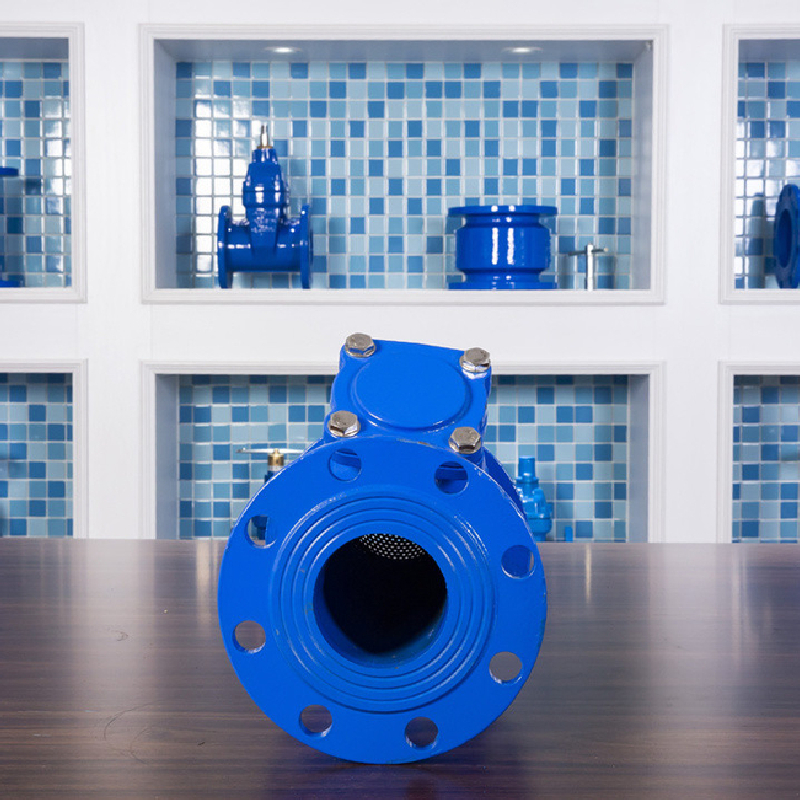
Válvula principal de agua en el hogar y su importancia para el suministro doméstico
La Importancia de la Válvula Principal de Agua en el Hogar La válvula principal de agua es un compon

Various Control Valve Types and Their Industrial Uses Explained
Types of Control Valves and Their Applications Control valves are essential components in various in

Water Pressure Valves - Optimize Your Water System Efficiency
Understanding Water Pressure Valves An Essential Component for Efficient Water Management Water pres
 English